How to Prepare Your Car for Winter in Toronto: Tips from the Pros


Inspect Your Tires
As winter approaches in Toronto, one of the first things you should do is check your tires. The right set of winter tires can significantly improve traction and control on icy roads. Make sure your tires have sufficient tread depth and are properly inflated. Under-inflated tires can lead to poor handling and increased fuel consumption.

Consider switching to winter tires if you haven't already. These are specifically designed to perform in cold temperatures, providing better grip and safety. Don't forget to check for any signs of wear or damage that might compromise their effectiveness.
Check the Battery
Cold weather can be tough on your car’s battery. It's essential to ensure that it is in good condition before winter hits. A weak battery may struggle to start your car on frosty mornings. Have a professional test your battery's charge and replace it if it's nearing the end of its lifespan.
Also, inspect the battery terminals for any signs of corrosion. Cleaning them can improve the battery's performance and help avoid unexpected breakdowns during the winter months.
Inspect Your Fluids
Fluids play a crucial role in your car's winter performance. Start by checking the antifreeze levels, as this will prevent the engine from freezing in extremely low temperatures. Make sure you have the right mixture of antifreeze and water for optimal protection.

Don’t overlook other fluids like oil and windshield washer fluid. Consider switching to a winter-grade oil that flows more easily in cold temperatures. Also, ensure your windshield washer fluid is rated for winter use to prevent it from freezing in the reservoir.
Ensure Proper Lighting
With shorter daylight hours, you’ll be driving in the dark more often during the winter. Check all your car’s lights, including headlights, taillights, and brake lights, to ensure they are in good working order. Replace any burnt-out bulbs and clean the lenses for maximum visibility.
Consider upgrading to LED bulbs if you haven't already, as they provide brighter light and last longer than traditional bulbs. This can make a significant difference in visibility during those long winter nights.
Prepare an Emergency Kit
Driving in winter conditions can be unpredictable, so it's wise to carry an emergency kit in your vehicle. This should include essentials like a flashlight, blankets, first-aid supplies, and non-perishable snacks. A shovel and ice scraper are also invaluable for dealing with snow and ice.

Include jumper cables, a tow rope, and sand or cat litter for traction in case you get stuck. Being prepared can make all the difference in an emergency situation, providing peace of mind on the road.
Protect Your Car's Exterior
Winter can be harsh on your car's exterior. Salt and grime on the roads can lead to rust and corrosion. To protect your vehicle, consider applying a wax coating before the snow starts to fall. This adds a protective layer against the elements.
Regularly washing your car is also important to remove any salt build-up. Pay special attention to the undercarriage, where salt tends to accumulate and cause the most damage.
Check Your Brakes
Your brakes are critical for safe driving, especially in icy conditions. Have a professional check the brake pads and rotors to ensure they are in good condition. Worn brakes can increase stopping distances, which is dangerous on slippery roads.
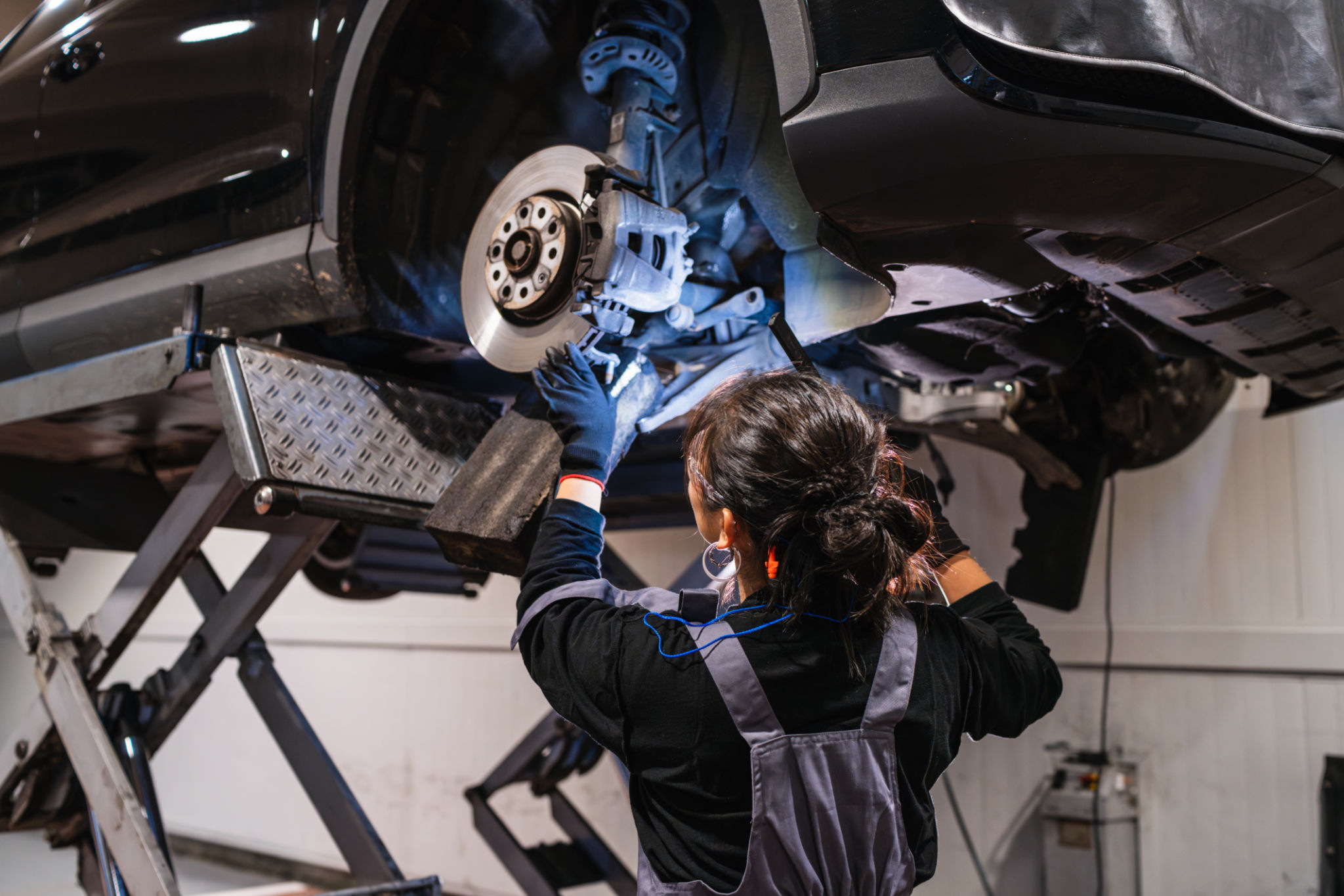
Listen for any unusual noises when braking, such as squealing or grinding, as these may indicate the need for an inspection or replacement. Proactive maintenance can prevent accidents and keep you safe throughout the winter.